
Introduction to Beer and Food Pairing
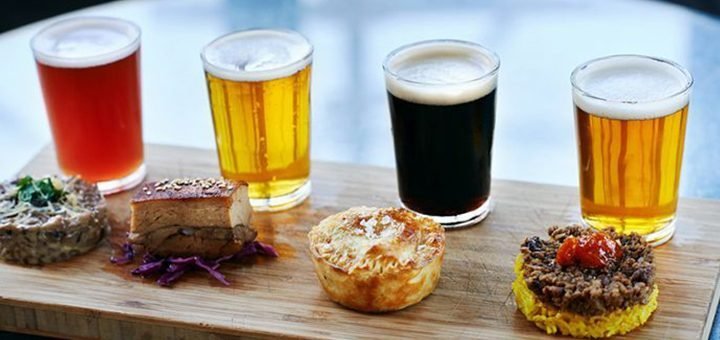
Beer and food pairing is a culinary art that strives to create harmonious relationships between the flavors of beer and the dishes served alongside it. Understanding this pairing process can significantly enhance the overall dining experience, making meals more enjoyable and memorable. The transformation that occurs when a well-chosen beer complements a dish is not merely anecdotal; it is rooted in the chemistry and sensory interaction between various tastes and aromas.
Pairing beer with food is essential because both elements possess unique flavor profiles that can elevate each other. The bitterness of certain beers balances out the richness of fatty foods, while the sweetness in others can soften spicy flavors. Through thoughtful beer food pairing, diners can discover new dimensions of flavor, and the meal transforms into a more engaging sensory experience, inviting individuals to explore the complexities of taste.
The sensory elements involved in beer and food pairing include aromas, mouthfeel, acidity, and bitterness. Beer, with its myriad styles and flavors, can present characteristics that enhance or contrast with those of the food. For instance, a hoppy IPA can cut through the creaminess of a rich cheese, while a dark stout may complement the deep flavors of chocolate desserts. Additionally, understanding the carbonation level in beer can also play a role in the perceived texture of a dish, adding a refreshing element to heavier foods.
As we delve deeper into this guide, we will explore various categories of beer and their ideal food pairings. This knowledge will not only aid enthusiasts in enhancing their meals but will also foster appreciation for the intricate relationships between beer and food.
Understanding Beer Categories
The world of beer is vast and varied, encompassing numerous categories that each exhibit distinct characteristics, flavors, and aromas. Understanding these categories is essential for effective beer and food pairing, ensuring a harmonious combination that enhances the dining experience.
One of the primary classifications is lagers, which are fermented at lower temperatures. They typically present a clean and crisp profile, often characterized by mild flavors and subtle sweetness. The refreshing nature of lagers makes them an excellent companion to light dishes such as salads, seafood, and grilled chicken.
Conversely, Ales undergo fermentation at warmer temperatures, leading to a more complex flavor profile. From the hoppy bitterness of IPAs to the rich, malty flavors of brown ales, these beers can stand up to heartier meals. The fruity and floral notes often found in ales complement spicy dishes and rich meats very well, making them ideal choices for robust flavors.
Stouts and porters represent another captivating category, known for their dark colors and bold flavors. Stouts are recognized for their coffee-like characteristics, while porters typically have a sweeter profile with chocolate undertones. These beers pair beautifully with desserts or grilled meats, providing a contrast that can elevate the overall taste experience.
Other styles include Belgian beers, with their unique yeast strains that contribute to fruity and spiced flavors, and Wheat beers, which are often light and refreshing, making them ideal for pairing with lighter fare, including seafood and fruit-based dishes.
By comprehensively understanding these beer categories, enthusiasts can make informed choices when it comes to beer food pairing, highlighting and enhancing the flavors of both the beer and the food served alongside it.
Light Beers and Pairing Possibilities
Light beers, such as pilsners and wheat beers, are celebrated for their crisp and refreshing profiles, making them ideal partners for a variety of dishes. The delicate flavor profiles of these beers allow them to enhance the taste of food without overwhelming it, creating a harmonious dining experience. One of the most popular pairings is with salads, particularly those with citrus dressings or vinaigrettes. The acidity from the dressing can elevate the lighter notes of the beer, promoting a refreshing balance.
Seafood also pairs exceptionally well with light beers. The subtle flavors of fish and shellfish complement the varied notes found in a pilsner or wheat beer. For instance, a grilled fish taco with a light lager can enhance the freshness of the seafood while maintaining a clean palate. Additionally, dishes such as shrimp cocktails and ceviche are perfect choices, as the beer’s effervescence can cut through the natural richness of the seafood.
Light appetizers, such as bruschetta or fresh vegetable platters, are another excellent match for these beers. The brightness of the ingredients in these dishes pairs seamlessly with the refreshing qualities of light beer. Furthermore, snacks like pretzels or chips with a light dip can enhance the overall flavor experience while being easy to enjoy in a casual setting. Overall, selecting light beers like pilsners or wheat beers offers numerous possibilities for beer food pairing, guiding diners toward a sophisticated yet approachable culinary adventure.
Amber Beers: Versatility in Pairing
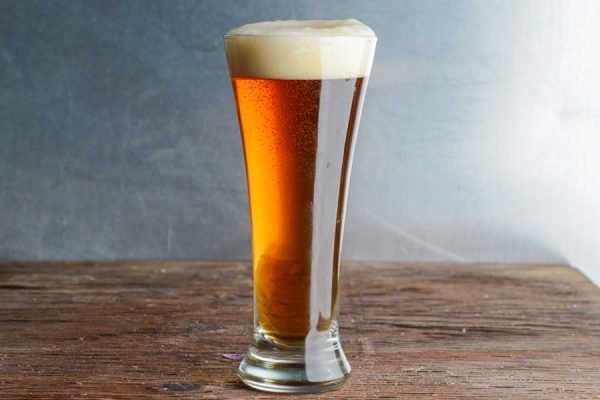
Amber beers are distinguished by their rich, malty flavors, which stem from the caramel malts used in their brewing process. These beers typically possess a moderate hop bitterness that balances the sweetness, making them exceptionally versatile for various food pairings. The caramel and toasty notes found in amber beers can beautifully complement a range of dishes, enhancing the dining experience.
When it comes to beer food pairing, roasted meats stand out as an excellent choice. The caramelized flavors in amber beers match well with the savory, roasted characteristics of meats such as beef, pork, and lamb. The richness of these proteins, combined with the sweet undertones of the beer, creates a harmonious blend that elevates both the food and the drink.
Barbecue is another ideal partner for amber beers. The smoky, slightly charred flavors of grilled or barbecued foods resonate well with the malt profile of these beers. Whether it is a barbecue chicken or a smoky brisket, the amber beer’s sweetness can effectively counterbalance the spiciness of the sauces often used, making for a delightful pairing.
Hearty pasta dishes also present excellent opportunities to explore beer and food pairings. Dishes like bolognese or creamy alfredo sauces can benefit significantly from the caramel sweetness of amber beers, which can cut through the richness while enhancing the overall flavor profile. The versatile nature of amber beers allows them to adapt to different types of cuisine, making them a go-to option for numerous dining occasions.
Lastly, the balance offered by amber beers encourages exploration with sides and appetizers as well. Consider pairing them with caramelized onion dips, roasted vegetables, or artisanal cheese platters for a complete and satisfying meal. With amber beers, the possibilities for beer and food pairings are both vast and inviting.
IPA: Intense Flavors and Pairings
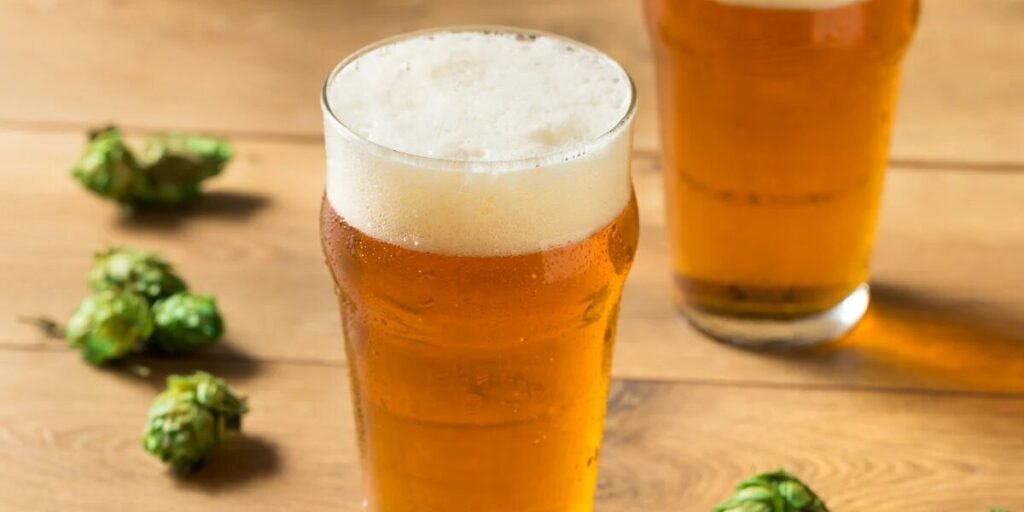
India Pale Ales, commonly known as IPAs, are renowned for their bold hop-forward profiles, which deliver intense bitterness and floral notes that can elevate the dining experience significantly. The unique flavor characteristics of IPAs make them an excellent choice for pairing with various foods. The bitterness found in these beers often acts as a counterpart to spicy dishes, offering a refreshing contrast that can help to balance out heat. For example, spicy Thai or Indian cuisine pairs remarkably well with an IPA, as the hoppy bitterness enhances the complexity of the spices, leading to a more satisfying taste sensation.
Another delectable option for beer food pairing with IPAs is burgers, particularly those topped with rich, flavorful ingredients. The malt characteristics in a well-crafted IPA can harmonize beautifully with the savory aspects of grilled meats. While the hops add an extra layer of flavor that can complement ingredients such as cheese, bacon, or spicy sauces. When selecting a burger to enjoy with an IPA, consider choices that incorporate bold flavors, as these will elevate the overall tasting experience.
Strong cheeses are yet another excellent companion for IPAs. The dry, hoppy finish of an IPA can cut through the richness of cheeses like blue or aged cheddar, creating a delightful contrast that brings out the best in both the beer and the cheese. Pairing a robust IPA with a cheese platter can create an engaging tasting experience that highlights the nuanced flavors of both components. Consequently, whether indulging in spicy cuisine, hearty burgers, or artisanal cheeses, the versatility of IPAs makes them a remarkable choice for enhancing various culinary adventures.
Stouts and Porters: Rich Pairing Options
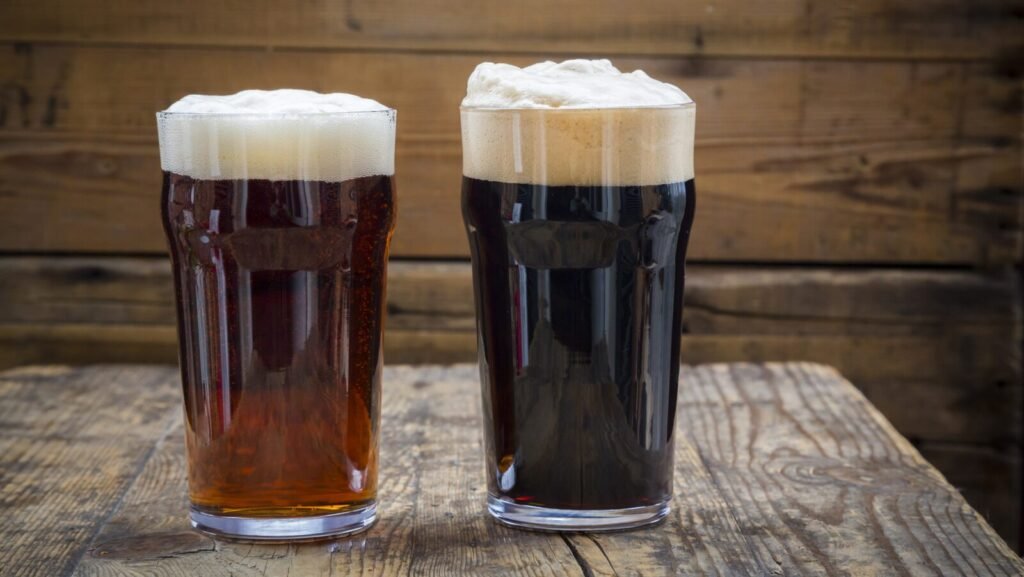
Stouts and porters are beloved styles of beer known for their rich, deep flavors and aromas. These beers, often characterized by notes of roasted malt, coffee, and chocolate, create a unique canvas for food pairing that can elevate a dining experience. The complexity of stouts and porters makes them an ideal companion for various dishes, particularly those with equally bold profiles.
One of the most celebrated pairings is that of stouts with chocolate desserts. The inherent chocolate notes found in stouts enhance the flavors of a dark chocolate cake or a chocolate mousse. Creating a harmonious experience for the palate. The sweetness from the dessert balances the beer’s bitterness, resulting in a satisfying conclusion to a meal.
Another excellent pairing involves grilled meats, particularly those with smoky flavors. A robust porter complements the charred exterior of grilled steak or ribs, while the beer’s creamy mouthfeel can provide a refreshing contrast to the rich, fatty elements in the meat. Additionally, the caramel or toasty notes in these beers harmonize beautifully with spice rubs or glazes on barbecued dishes.
Strong cheeses are yet another delightful food pairing for stouts and porters. Cheeses such as aged cheddar or blue cheese, with their intense flavors, can stand up to the rich characteristics of these beer styles. The creaminess of the cheese softens the beer’s body and allows for a rounded tasting experience. Enhancing both the beer and the cheese.
In conclusion, stouts and porters offer a plethora of rich pairing options that can significantly enhance the enjoyment of food. By thoughtfully selecting dishes like chocolate desserts, grilled meats, and robust cheeses. One can fully appreciate the complex flavors that these beers bring to the table.
Sour Beers: Unique Pairings and Flavors
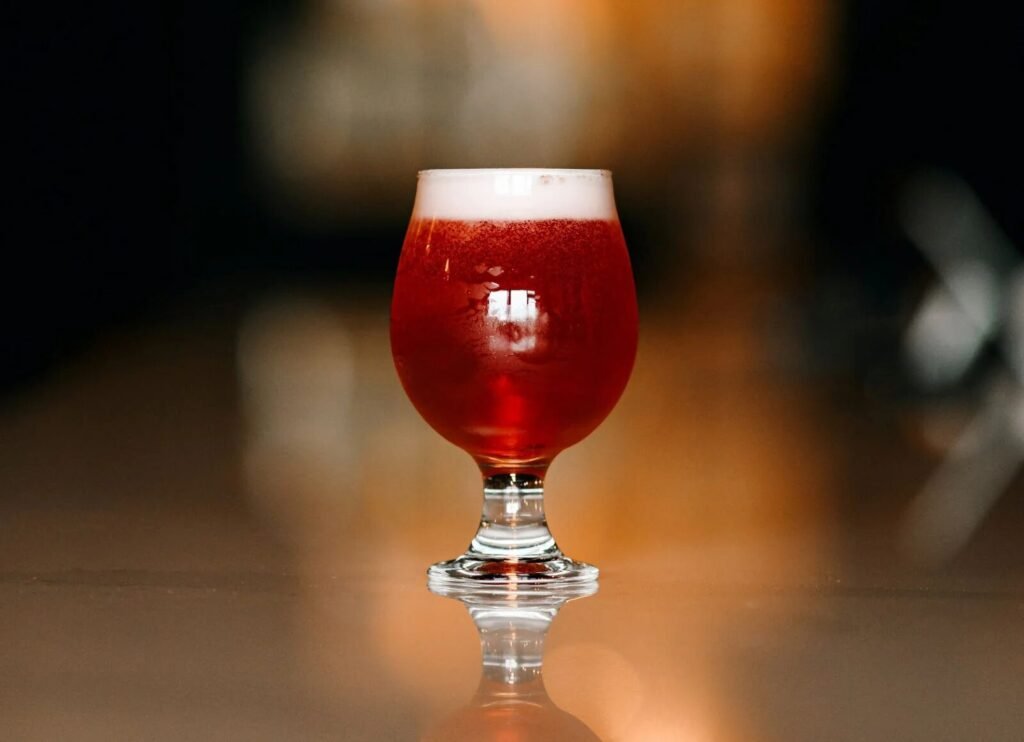
Sour beers have surged in popularity in recent years. Intriguing beer aficionados and newcomers alike with their distinct tartness and complex flavor profiles. These beers, often characterized by their acidic and funky notes, offer a refreshing alternative to traditional brews. The unique nature of sour beers makes them excellent candidates for innovative beer food pairing strategies. Enhancing the tasting experience when appropriately matched with various dishes.
One of the most compelling pairings involves charcuterie. The salty and fatty elements often found in cured meats resonate harmoniously with the crisp acidity of sour beers. For instance, a Berliner Weisse or a Flanders Red Ale can cut through the richness of prosciutto or salami. Elevating the overall flavor experience. Moreover, incorporated cheeses, especially those with a pungent profile, like blue cheese, can further complement the sourness, creating a symphony of taste in every bite.
Another stellar pairing involves pickled vegetables. The tangy, vinegary notes in pickles enhance the sour flavors in these beers, creating a perfect marriage on the palate. This pairing is particularly well-suited for a Gose, as its own saline character works wonders alongside the brightness of pickled brassicas or cucumbers. When exploring beer food pairing, one should also consider fruity desserts; a fruit-forward sour beer, such as a fruit Lambic, pairs beautifully with sorbets or tarts, where its acidity balances the sweetness of the dish.
The versatility of sour beers allows for a myriad of creative pairings. By understanding the unique flavor profiles of these brews, enthusiasts can enjoy a delightful dining experience where beer and food come together in perfect harmony. Pleasing the palate and enriching culinary explorations.
Seasonal Pairings: Tailoring Choices Throughout the Year
The relationship between beer and food is significantly influenced by the seasons, as certain beers epitomize the characteristics and flavors of specific times of the year. In summer, for instance, lighter beers such as pilsners and wheat ales become increasingly popular due to their refreshing qualities that complement the warmth of the season. These types of beers pair excellently with lighter fare, such as salads, grilled vegetables, and seafood. The crispness of a summer beer enhances the delicate flavors of these dishes, offering an invigorating experience with every sip.
As autumn approaches, the palette shifts to encompass the rich flavors of harvest season. Brown ales and ambers often take center stage as they feature toasty and nutty flavors that harmonize beautifully with autumn-inspired dishes. Foods such as roasted pumpkin, root vegetables, and hearty stews enhance the mellow qualities of these beers. Creating a delightful beer food pairing that reflects the bounty of the season.
Winter is commonly associated with rich, dark beers, including stouts and porters, which boast deep flavors of chocolate, coffee, and caramel. These robust styles are ideal companions for heavier meals often enjoyed during the colder months. Such as braised meats and savory pies. The complexity of winter beers can elevate traditional holiday dishes. Providing a comforting warmth that perfectly encapsulates the spirit of the season.
In spring, the focus transitions to bolder, hoppy beers like IPAs, which can complement the vibrant and fresh produce akin to the season. As spring brings an array of ingredients such as asparagus, peas, and lamb. The floral notes in these beers create invigorating contrasts with the freshness of springtime meals. By tailoring beer selections to seasonal ingredients and holiday dishes. One can truly maximize the enjoyment of both beer and food, ensuring that every meal is a reflection of the time of year.
Conclusion: Experiment and Find Your Perfect Pairings
As we draw this guide to a close, it is essential to emphasize that the art of beer and food pairing is as much a personal journey as it is a culinary practice. While we have explored various principles and general guidelines on how different flavors can complement or contrast with one another. The ultimate decision rests in your hands. Each individual’s palate is unique, which means that what might be a perfect pairing for one person could be entirely different for another.
A successful pairing often relies on the balance of flavors. For instance, a rich, malty beer can enhance the taste of grilled meats or barbecued dishes, while a crisp, refreshing lager may brighten up a plate of fried seafood. Also, considering the texture of both the beer and the food can elevate your dining experience. Creamy stouts may pair beautifully with desserts, while a hoppy IPA can augment spicy dishes. Creating an enjoyable contrast that excites the senses.
It is important to take an exploratory approach towards beer and food pairing. Don’t hesitate to step outside traditional pairings and experiment with various ingredients, styles, and cuisines. Perhaps a sweeter ale could match nicely with a spicy curry, or a sour beer might complement a cheese platter. With so many options available, the combinations are endless.
Ultimately, the goal is to enhance your meals with the right beer, transforming an ordinary dining experience into a memorable one. Through experimentation, you will discover your ideal pairings, leading to delightful moments of culinary bliss.