Introduction to Florence’s Cultural Heritage
Florence, known as Firenze in Italian, stands as a paramount city of art and culture, deeply rooted in the annals of history. As the cradle of the Renaissance, it laid the groundwork for a remarkable cultural awakening that influenced various spheres of life, including art, architecture, science, and literature. The city’s significance during this period cannot be overstated; it was here that luminaries such as Leonardo da Vinci, Michelangelo, and Botticelli thrived, producing masterpieces that continue to resonate throughout the ages.
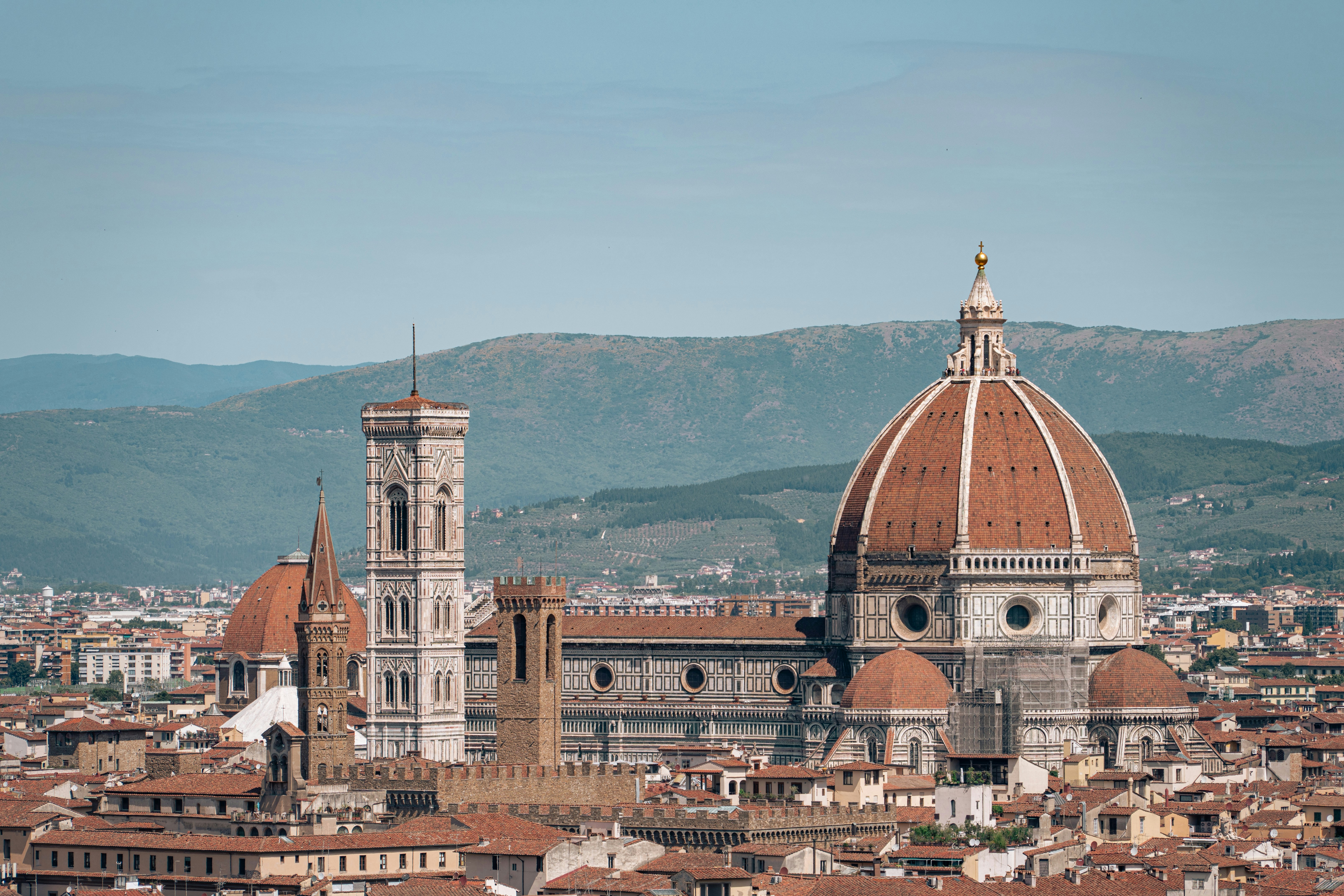
The city itself is adorned with stunning architecture that showcases its rich past. A remarkable highlight is the Florence Cathedral, famously referred to as the Duomo. This architectural marvel, with its iconic dome designed by Filippo Brunelleschi. Serves as both a religious edifice and a symbol of the city’s ingenuity. Its grandeur attracts millions of visitors each year, marking it as one of the foremost Firenze attractions.
Furthermore, the cultural fabric of Florence is woven with intricate threads of art and history evident in its museums, such as the Uffizi Gallery. This establishment is home to an extensive collection of works, including Botticelli’s “The Birth of Venus” and Michelangelo’s sculptures. Additionally, the city’s historic districts, such as the Oltrarno, present a lively atmosphere filled with artisan workshops and local markets, encapsulating the traditional Florentine way of life.
Moreover, Florence’s legacy extends beyond its artistic achievements; it played a pivotal role in the development of modern social and political thought. Leaders of the city, particularly from the Medici family, were at the forefront of political and economic changes that permitted a flourishing cultural scene. Today, Florence invites visitors to immerse themselves in its rich cultural heritage, where every corner embodies stories from its illustrious past, ensuring the city remains a beacon of inspiration for future generations.
The Duomo: An Architectural Marvel
Florence, or Firenze as it is locally known, is home to numerous historic landmarks, but none stand as prominently as the magnificent Florence Cathedral, famously referred to as the Duomo. This architectural wonder dominates the city’s skyline, with its uniquely crafted dome designed by architect Filippo Brunelleschi, which was completed in the early 15th century. The Duomo is not just a religious structure; it is a testament to the ingenuity of Renaissance architecture and a symbol of Florentine pride.
The façade of the Duomo, adorned with beautifully colored marble tiles in shades of pink, green, and white, presents a stunning visual that captures the attention of visitors. Each detail of the building has been carefully crafted. From the intricate statues that adorn its exterior to the vast rose windows that allow rays of natural light to pour into the interior. Within, one can find the breathtaking frescoes depicting the Last Judgment, which is a remarkable example of Renaissance art.
For those wishing to appreciate the full grandeur of Florence from an elevated perspective. The Duomo offers an enticing opportunity to climb to the top of its dome. The climb encompasses 463 steps, winding through the inner workings of the dome until it reaches an observation deck that provides panoramic views of the beautiful city below. Standing atop the Duomo, visitors can marvel at the stunning architecture of Florence’s skyline, from the Ponte Vecchio to the rolling Tuscan hills in the distance. This experience not only enhances one’s appreciation for the Duomo but also allows for a unique encounter with the storied history of Firenze. A visit to Florence is undoubtedly incomplete without experiencing this architectural gem firsthand.
Uffizi Gallery: A Treasure Trove of Art
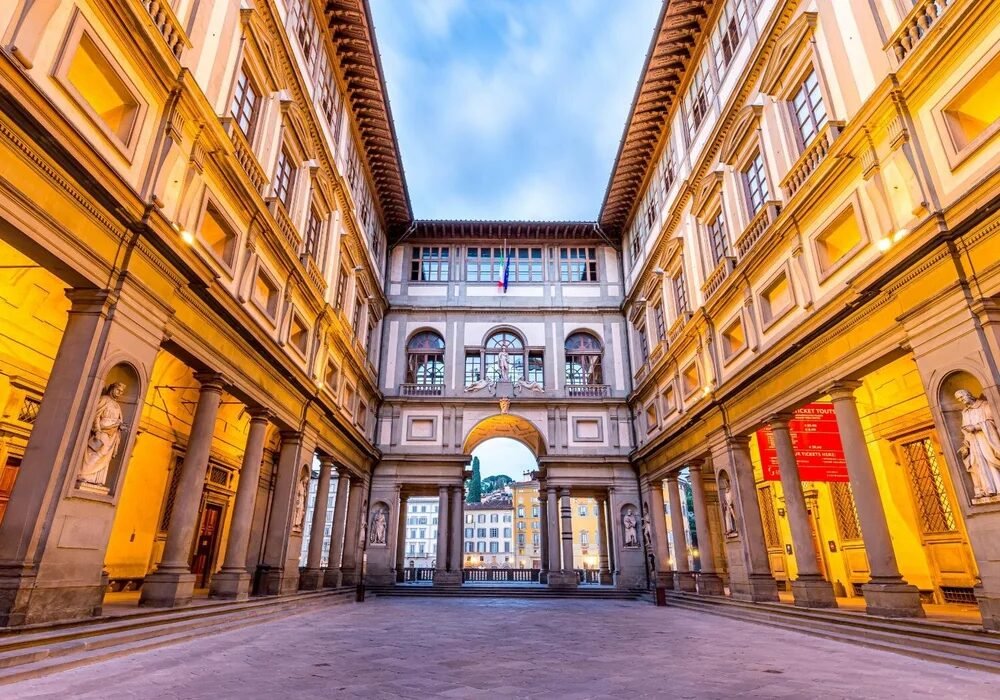
The Uffizi Gallery, or Galleria degli Uffizi as it is known in Italian, stands as one of Florence’s most revered cultural landmarks. Positioned in the heart of Florence, or Firenze, this vast museum houses some of the most important works of art from the Renaissance period. Visitors to the gallery can immerse themselves in masterpieces created by renowned artists such as Sandro Botticelli, Michelangelo, and Leonardo da Vinci. Each painting not only showcases the unparalleled artistic talent of these great masters but also offers a glimpse into the historical context and cultural significance of the era.
Among the must-see works is Botticelli’s “The Birth of Venus,” a painting that has captivated art lovers for centuries with its ethereal beauty and mythological themes. Another highlight is Michelangelo’s “Doni Tondo,” a circular depiction of the Holy Family, which exemplifies his masterful use of color and form. Leonardo da Vinci’s “The Annunciation” is also featured prominently, demonstrating his pioneering techniques in composition and perspective. These masterpieces alone make the Uffizi Gallery a critical stop for anyone interested in the richness of art history.
To ensure a fulfilling visit to this iconic museum, it is advisable to plan ahead. Booking tickets in advance can help reduce wait times, as the Uffizi Gallery attracts visitors from around the world eager to experience its artistic treasures. Additionally, consider joining a guided tour to gain deeper insights into the artworks and the stories behind them. With its unparalleled collection and historical significance, the Uffizi Gallery undeniably enriches the overall experience of exploring Firenze attractions. This art museum is more than just a gallery; it is a vibrant celebration of the artistic spirit that defines Florence.
Ponte Vecchio: A Historic Landmark of Florence
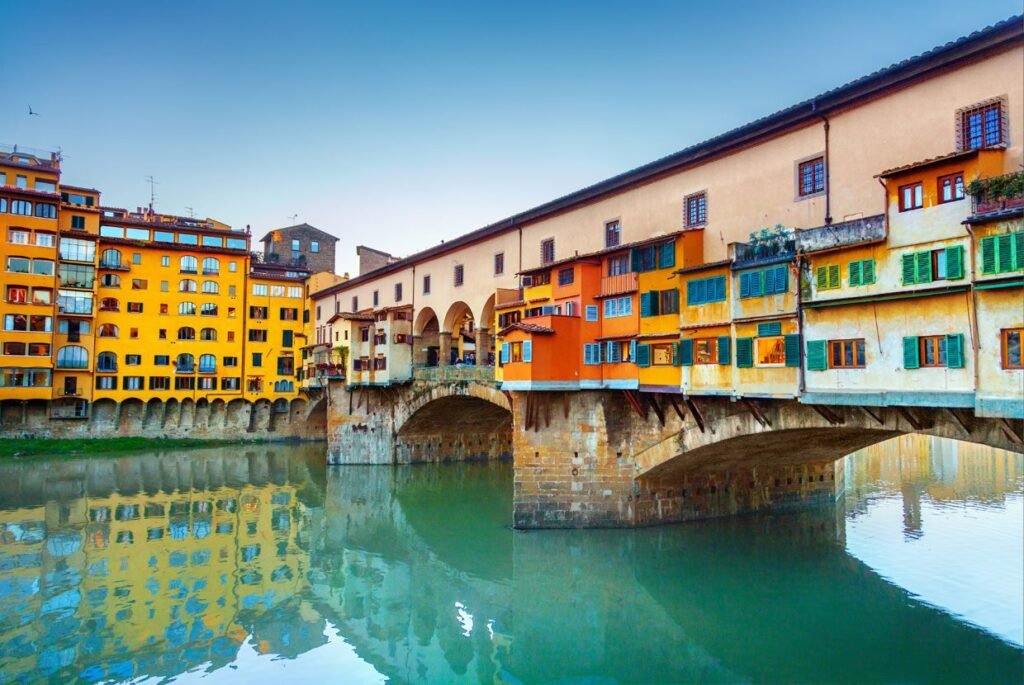
The Ponte Vecchio, or Old Bridge, stands as one of the most iconic structures in Florence, attracting numerous visitors each year. Originally built in Roman times, the bridge has undergone various changes, evolving into a remarkable piece of architecture that showcases the artistic flair of the Renaissance period. Its distinguished arches and unique design have made it a symbol of Florence, or Firenze, and a must-visit attraction for those exploring the city.
What sets the Ponte Vecchio apart from other bridges is its lined shops, where local artisans display their crafts. Originally, butcher shops occupied the bridge, but over time, they were replaced by goldsmiths and jewelers. Today, the Ponte Vecchio is home to an array of shops selling exquisite jewelry and art, creating a vibrant atmosphere that enhances the historical context of this celebrated landmark. As you stroll along the bridge, the craftsmanship on display offers insight into Florence’s rich artistic heritage.
When visiting the Ponte Vecchio, timing your visit can significantly enhance your experience. Early mornings or late afternoons provide softer natural light, ideal for photography. Capture the breathtaking views of the Arno River, especially during sunrise or sunset, when the colors of the sky reflect beautifully on the water. Additionally, positioning yourself at the ends of the bridge offers picturesque angles that include the surrounding architecture—a perfect opportunity to create memorable photographs.
In conclusion, the Ponte Vecchio is not merely a bridge, but a vital part of Florence’s history and culture. Whether exploring its shops, absorbing its history, or photographing its beauty, this landmark represents the essence of Firenze attractions and the timeless allure of this enchanting city.
Accademia Gallery: Home of David
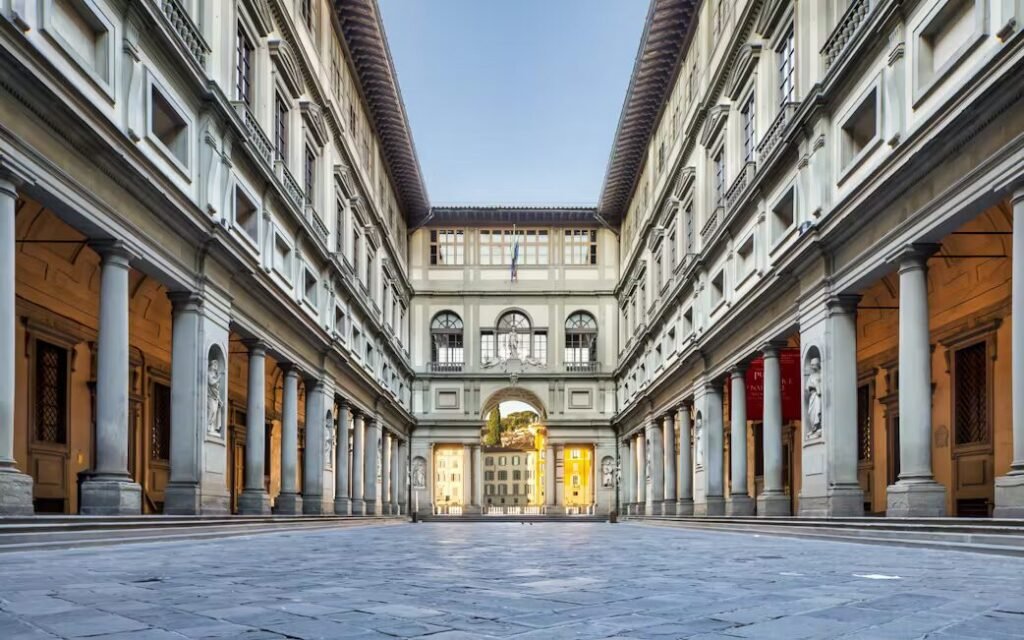
The Accademia Gallery, located in the heart of Florence, is renowned not only for housing Michelangelo’s iconic statue of David but also for its vibrant collection of Renaissance art. Established in 1784, the gallery was originally intended as a school of sculpture and painting. Over time, it transformed into a significant repository of Florentine art, attracting millions of visitors each year to explore its impressive works.
Michelangelo’s David stands as the centerpiece of the gallery, completed between 1501 and 1504. This masterpiece illustrates the artist’s exceptional skill in capturing the human form, symbolizing the ideal of male beauty and strength. The statue represents David, the biblical hero, poised and ready to confront Goliath, showcasing not only artistic craftsmanship but also the cultural pride of Florence during the Renaissance. Beyond its aesthetic appeal, David embodies the values of humanism that permeated the era, emphasizing individual potential and the human spirit.
In addition to David, the Accademia Gallery is home to a variety of significant works, including pieces by other notable artists such as Botticelli and Ghirlandaio. Visitors can also view a selection of Michelangelo’s unfinished sculptures, known as the Prigioni, which offer an intriguing glimpse into his artistic process. These works, alongside an extensive collection of Renaissance paintings, contribute to the gallery’s reputation as one of the premier destinations for art lovers. The Accademia Gallery not only preserves the legacy of Florence’s artistic heritage but also serves as a vital cultural institution within the city, spotlighting the evolution of art from the past to the present.
Boboli Gardens: A Green Oasis
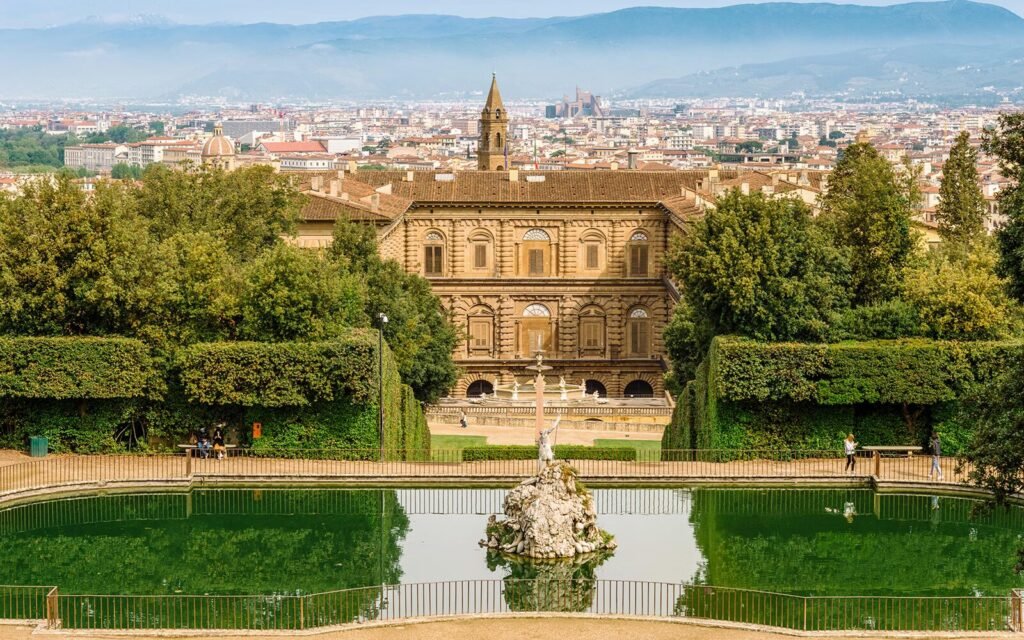
The Boboli Gardens, or Giardino di Boboli, stand as a testament to the grandeur of the Medici family, serving as an exquisite example of Italian garden design. Nestled behind the Pitti Palace, this expansive green space offers visitors a remarkable blend of nature and art, making it one of the must-see Florence attractions. The gardens were laid out in the 16th century and have evolved over the centuries to include a rich collection of sculptures, fountains, and meticulously curated landscaping.
As one strolls through the various paths of the Boboli Gardens, it becomes evident that this serene environment is not merely a botanical wonder but also a historical landscape filled with stories. The gardens showcase a diverse range of architectural styles, adorned with classical statues and ornate fountains that reflect the tastes of the Medici dynasty. Key highlights include the Amphitheater, which is carved directly from the rocky hillside, and the iconic Fountain of Neptune, both of which offer picturesque backdrops for leisurely walks or quiet contemplation.
Exploring the Boboli Gardens invites visitors to experience the lush greenery and the fragrant flora that flourishes within its borders. It is an ideal spot for a leisurely picnic, allowing guests to relax amidst the beauty of their surroundings. With ample benches and open lawns, the gardens provide a peaceful reprieve from the bustling streets of Florence. Whether you are seeking a place to unwind or aiming to immerse yourself in the rich history of Florence, the Boboli Gardens are undoubtedly a green oasis worth visiting.
Piazza della Signoria: The Heart of Florence
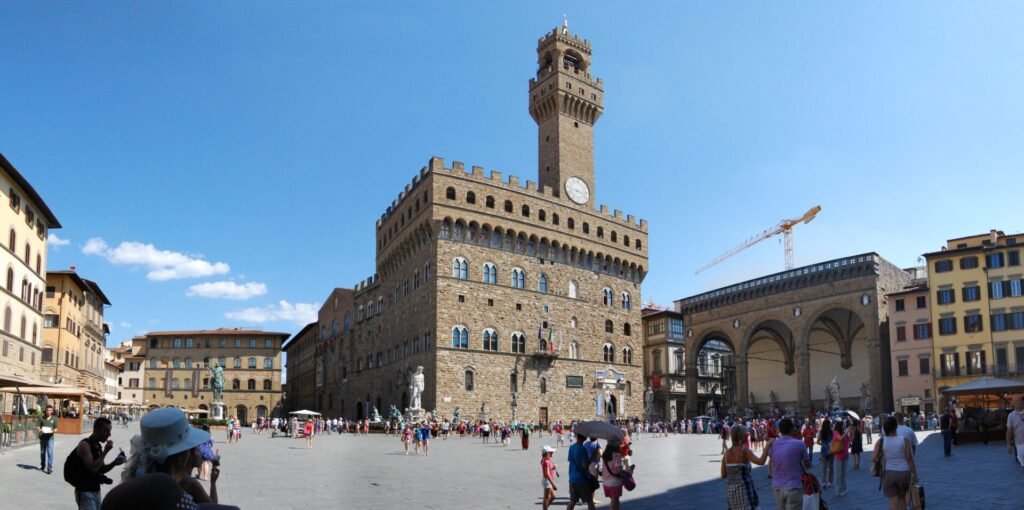
Piazza della Signoria is often regarded as the heart of Florence, embodying the rich tapestry of history and culture that defines this beautiful city. Situated in front of the Palazzo Vecchio, this expansive square serves as a gathering place for both locals and tourists, creating a lively atmosphere that is unmistakably Florentine. The piazza is not only central in location but is also pivotal in the city’s historical framework.
One of the notable features of Piazza della Signoria is its exceptional collection of outdoor sculptures that adorn the area. Among these, the imposing statue of David, a copy created by Michelangelo, captures the attention of almost every passerby. Originally positioned in front of the Palazzo Vecchio, this iconic sculpture represents the spirit of Florence as a city of art and culture. Furthermore, the Loggia dei Lanzi adds to the aesthetic splendor of the square, showcasing masterpieces such as “Perseus with the head of Medusa” by Cellini, further enriching the artistic heritage of Firenze.
The architectural highlight of the piazza is the Palazzo Vecchio, the town hall of Florence, known for its stunning façade and historical significance. Climbing the tower provides a panoramic view of the surrounding city, highlighting the remarkable skyline dominated by the renowned Duomo. The enduring allure of this square lies in its ability to transport visitors through time, with each corner echoing stories of Florence’s illustrious past.
A visit to Piazza della Signoria is essential for anyone exploring Firenze attractions, as it offers not just visual delight but also an opportunity to experience the vibrant culture that permeates this historic city. Whether indulging in a gelato or simply enjoying the art and architecture that surrounds them, visitors find themselves captivated by the atmosphere that radiates from this iconic square.
Basilica of Santa Croce: A Testament to Italian Heritage
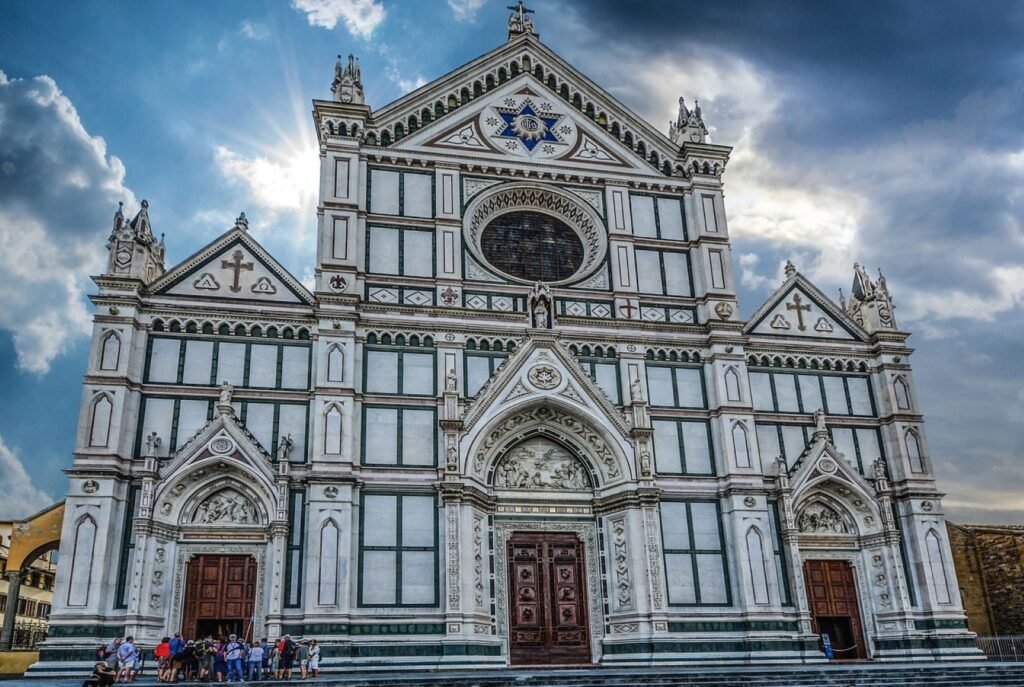
The Basilica of Santa Croce, located in the heart of Florence, is one of the most significant religious sites in the city and a prime example of Florentine Gothic architecture. Known as the temple of the Italian glories, it houses the tombs of many illustrious figures, including renowned artists and scientists such as Michelangelo, Galileo, and Machiavelli. This profound cultural significance elevates the Basilica to a status of not merely a religious site but a mausoleum of Italian history.
The architecture of Santa Croce is particularly striking, characterized by its grand façade adorned with a combination of white, green, and red stone. Built in the 13th century and designed by the architect Arnolfo di Cambio, its interior boasts soaring vaulted ceilings and an impressive nave framed by numerous chapels. Each chapel is uniquely decorated, with some featuring frescoes by notable painters of the Renaissance, such as Giotto, whose works provide a visual narrative of biblical events and saints.
Inside, visitors are greeted with masterpieces of art that enhance the spiritual atmosphere of the basilica. The various artworks not only serve as embellishments but also reinforce the historical narratives surrounding the illustrious Italians buried here. Additionally, the Basilica of Santa Croce plays an important role in Florentine society, hosting cultural events and religious services that have persisted through centuries. It stands as a potent symbol of Florence’s dedication to preserving its rich artistic heritage.
In alignment with the essence of Florentine attractions, a visit to Santa Croce is essential for those seeking to immerse themselves in the artistic legacy that defines Florence. Thus, this majestic basilica encapsulates the intertwining of faith, art, and history, marking its place as a critical point of interest for visitors exploring the myriad offerings of this enchanting city.
Local Gastronomy: Where to Eat in Florence

Florence, or Firenze as it is known in Italian, is not only a hub of art and history but also a culinary paradise. The city’s gastronomic delights are deeply influenced by its rich traditions and the surrounding Tuscan countryside. For those exploring the many Firenze attractions, indulging in local cuisine is an essential part of the experience.
First and foremost, visitors should not miss the opportunity to taste the iconic Florentine steak (bistecca alla fiorentina), a large T-bone steak traditionally sourced from local Chianina cattle. A visit to renowned restaurants such as Trattoria Mario or Osteria Vini E Vecchi Sapori will ensure an authentic experience, where this dish is prepared to perfection.
Another traditional dish worth trying is the ribollita, a hearty Tuscan soup made with seasonal vegetables, beans, and leftover bread. Many places in Florence, including the bustling Mercato Centrale, offer this time-honored recipe, allowing diners to savor its rich flavors in a vibrant market setting.
For those looking to satisfy a sweet craving, cantucci, the almond cookies traditionally dipped in Vin Santo, should not be overlooked. A visit to Pasticceria Nencioni could provide the perfect treat to accompany your afternoon coffee while enjoying the lively atmosphere of Florence.
Lastly, to immerse oneself fully in the Florentine culinary scene, the Mercato di Sant’Ambrogio is a must-visit. This local market not only showcases fresh produce but also offers a variety of local specialties, providing an ideal opportunity to converse with local vendors, taste artisan products, and even take home some of the flavors of Firenze.