

What is Matcha Tea?
Matcha is a powder made from ground-up green tea leaves and is often brewed into tea. The practice of brewing matcha tea is Japanese in origin and the word matcha means “ground tea” in the Japanese language. The powder is whisked into hot water to form an earthy tea often enjoyed in Japanese tea ceremonies, but interest and consumption of matcha is now increasing around the world. You can now commonly find matcha options, from lattes to desserts, in various coffee shops and bakeries.
How Is Matcha Made?
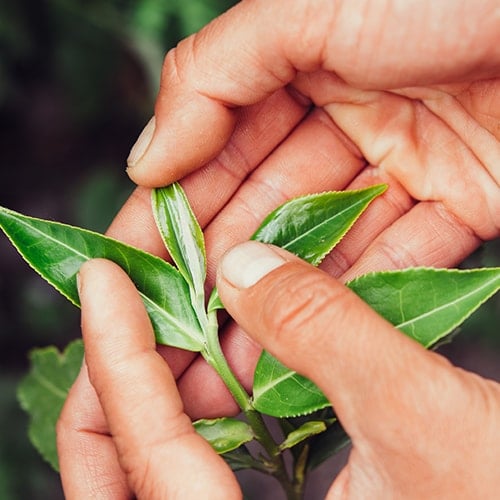
Matcha powder is made by stone grinding specialty green tea leaves into a fine green powder that is vibrant green in color. This powder is then used to make matcha tea. Because the tea leaves are consumed while drinking matcha tea, they need to be grown and picked following very particular specifications. These are the steps that green tea farmers need to take to grow green tea leaves for matcha:
- The green tea bushes must be shaded from the sun and light must be filtered to force the leaves to produce more chlorophyll in each leaf, providing a rich green color and a boost in nutrients.
- The newest spring buds and leaves are hand picked and the stems are removed.
- The leaves need to be steamed within a few hours of picking to prevent oxidation and to bring out the green color.
- The leaves must be allowed to dry in a cool location.
- Once dry, the leaves are slowly stone-ground into a fine powder for matcha tea.
Matcha Tea Benefits
Matcha has joined the ranks of popular cafe and coffee trends around the world because of its appealing health benefits. Here are just some matcha health benefits to consider:
- It is packed with catechin and polyphenol antioxidants that are thought to offer protection against heart disease, improve blood sugar circulation, and reduce blood pressure.
- It is high in EGCG (epigallocatechin gallate), which may have cancer-fighting effects, while also boosting metabolism to help the body burn fat, fight off cold and flu viruses, and recover from muscle soreness.
- It features a high level of chlorophyll that can help cleanse the digestive tract and neutralize bad breath.
- It offers a dose of daily fibers that can prevent insulin spikes and slow down type 1 and type 2 diabetes.
- It is rich in L-theanine which provides a calming effect.
- It contains caffeine to provide a boost of energy and alertness.
Although matcha is associated with various health benefits, there are still a limited number of experiments and research available to prove causation.
Caffeine in Matcha
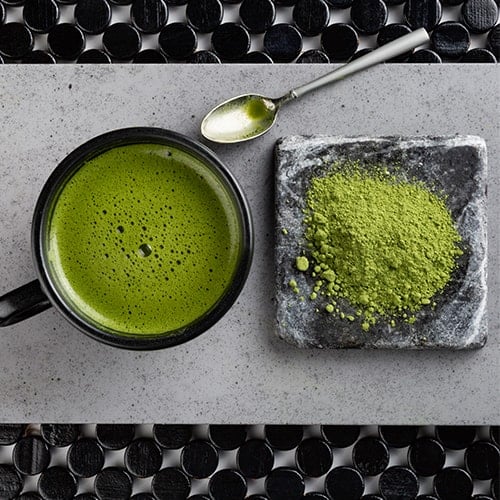
With the increasing popularity of matcha, it is not surprising that coffee connoisseurs often ask “How much caffeine is in matcha?” Compared to other common caffeine sources, matcha tea typically has more caffeine than green tea but less caffeine than coffee. Here’s how matcha caffeine levels compare in an 8 oz. beverage:
- Green Tea 20-40 mg
- Black Tea 35-60 mg
- Matcha 40-75 mg
- Coffee 80-160 mg
Because matcha also contains L-theanine, the energy boost from the caffeine behaves differently in the body. Unlike the caffeine in coffee, which typically provides a buzzed alertness followed by a crash, the caffeine in matcha creates a calm alertness followed by a sense of relaxation without drowsiness. Those with caffeine sensitivity should still avoid matcha even though the caffeine levels are lower than that of coffee.
Lead in Matcha
One of the main concerns about drinking matcha is the potential for lead to be found in green tea leaves. Green tea plants, or Camellia sinensis, naturally absorb lead from their environment which can end up in drinks like green tea. The USDA’s limit on acceptable lead quantities is 2mcg per gram when the tea is brewed, and they have found that various matcha brands sourced from China surpass the acceptable quantities of lead. Be sure to choose reputable and certified brands when purchasing your matcha and limit your intake to around one cup a day. Avoid serving matcha to children.
What Does Matcha Taste Like?
Matcha has a vegetal flavor with some nuttiness, slight sweetness, and minor bitterness. The flavor of matcha may be impacted by the grade and quality of the matcha. Ceremonial grade matcha will typically have a smoother sweeter flavor with less bitterness while culinary grade matcha is less sweet but features a nuttier flavor. The flavor of matcha can also grow more bitter over time when exposed to oxygen.
Matcha vs Green Tea
Although matcha and green tea both derive from the Camellia sinensis plant, there are some differences that set them apart.
- When you drink matcha, you are consuming the actual green tea leaf. When you drink green tea, the leaves are brewed, infused in the water, then removed.
- Matcha tea has twice as much caffeine as green tea.
- Matcha contains twice as much EGCG as green tea.
- Matcha has a higher concentration of nutrients than green tea.
- Matcha has a naturally sweet vegetal flavor, while green tea has a mild earthy flavor that pairs well with other flavors for tea blends.
When comparing matcha powder vs green tea powder, you’ll find these differences between the two:
- Matcha powder is a vibrant dark green in color, while green tea powder is often a yellow- brown color.
- Matcha is made from shaded and young green tea leaves, green tea powder is made from mature leaves that are exposed to the sun during the growing process.
- Matcha powder is made by stone-grinding the tea leaves, green tea power is made by pulverizing the leaves with air pressure.
Matcha Grades
There are two main grades of matcha, ceremonial and culinary; however, some list latte grade matcha as a third option. Each grade varies in quality, characteristics, and usage. We explore the matcha grade differences below:
1. Ceremonial Grade Matcha
Ceremonial grade matcha is considered the highest quality matcha and is intended to be enjoyed with no additives or sweeteners. It is made with young, shaded green tea leaves that are carefully harvested and processed to create smooth matcha.
- Flavor: A delicate vegetal flavor with mild sweetness and mild nuttiness
- Usage: Used for Japanese tea ceremonies, served with just hot water, reserved for special occasions
- Color: Vibrant Green
- Price: $$$
2. Culinary Grade Matcha
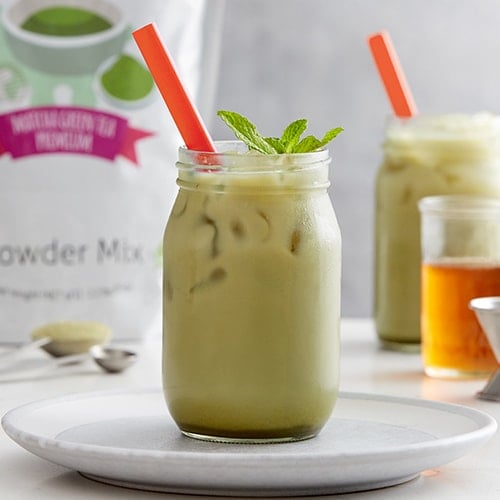
Culinary grade matcha is the most commonly used matcha type. It is made from green tea leaves from the second or third harvest. You will find it used for various cafe beverages and desserts since it is made to be added with other ingredients.
- Flavor: A robust grassy flavor with slight bitter umami flavor and distinguishable nuttiness
- Usage: Brewed and mixed with milk and sweeteners, often used in baked goods, smoothies, cocktails, and other beverages
- Color: Dull Green or Light Green
- Price: $
There are various types of culinary grade matcha that all have their own particular uses:
- Premium Grade Matcha: Fine texture that blends well in hot water, vibrant green in color, great for everyday use
- Classic Grade Matcha: An economic value for everyday usage, features a strong vegetal flavor
- Ingredient Grade Matcha: Thick consistency, pairs well with recipes that contain milk or dairy like desserts or sauces
- Kitchen Grade Matcha: Usually made with mature and less delicate leaves, features a distinct bitter flavor, often added to food recipes like soups, stir-frys, and rich baked goods.
3. Latte Grade Matcha
Latte grade matcha, also known as cafe grade matcha, is made from the first harvested green tea leaves and is prepared for steamed milk beverages. It is often included in the types of culinary grade matcha but will more likely be listed as its own grade type.
- Flavor: Strong grassy flavor and mild bitterness
- Usage: Blends well in milk-based beverages and desserts, usually paired with milk and sweeteners, used for hot or iced lattes, smoothies, and ice cream
- Color: Green
- Price: $$