
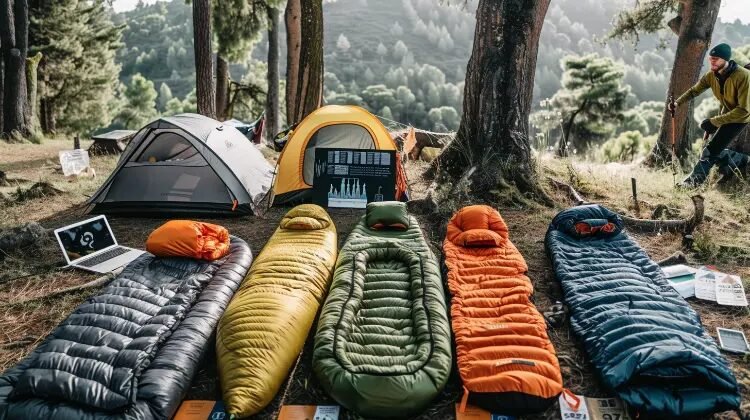
Choosing the Right Sleeping Bag for Your Adventure
When preparing for a camping trip, selecting the right sleeping bag can be as crucial as choosing the perfect campsite. With a myriad of options available, it’s easy to feel swamped by the decision. This guide aims to demystify the process, offering insights into the benefits and drawbacks of both down and synthetic sleeping bags, helping you find the ideal match for your outdoor excursions.
Understanding the Insulation Options
Sleeping bags primarily come in two types of insulation: down and synthetic. Each has its own set of advantages and potential drawbacks.
The Warmth-to-Weight Wonder: Down Insulation
Down sleeping bags are renowned for their exceptional warmth-to-weight ratio. Goose down, the most common type of down used, provides excellent insulation while remaining incredibly lightweight. This makes down sleeping bags a favorite among backpackers who prioritize minimizing their load.
However, down has a significant Achilles’ heel: moisture. When wet, down loses its loft and, consequently, its insulating properties. Drying a soaked down sleeping bag can be a lengthy ordeal, which is less than ideal in outdoor settings.
The All-Weather Ally: Synthetic Insulation
Synthetic sleeping bags, on the other hand, are champions of wet conditions. They retain insulation even when damp and dry much faster than down. Additionally, synthetic bags are generally more affordable, making them an attractive option for budget-conscious adventurers.
The trade-off with synthetic insulation is weight. Synthetic sleeping bags tend to be heavier and bulkier than their down counterparts, which can be a significant consideration for those who need to travel light.
Making the Right Choice: Personal Considerations
When I was in the market for a new sleeping bag, weight was a critical factor due to my preference for hiking to campsites. After extensive research, I settled on an ultra-light mummy-style down sleeping bag weighing just over 2 pounds. While mummy bags offer a snug fit that may not suit everyone, their design is optimized for warmth and weight reduction.
Temperature Ratings: A Key Factor
Sleeping bags come with temperature ratings, typically categorized as:
- 3-Season: +10 to +32 degrees Fahrenheit ( -12 to 0 degrees Celsius)
- Winter: -10 degrees Fahrenheit and below ( -23 and below degrees Celsius)
- Summer: +32 degrees Fahrenheit and higher ( 0 degrees and above)
- Cold Weather: +10 to -10 degrees Fahrenheit (-12 to -23 degrees Celsius)
It’s wise to select a sleeping bag with a temperature rating slightly lower than the coldest temperature you expect to encounter. This ensures warmth on unexpectedly chilly nights, while you can always unzip the bag for ventilation if it gets too warm.
Size Matters: Ensuring a Perfect Fit
Lastly, consider the length of the sleeping bag. Taller individuals will need a longer bag, and it’s essential to ensure that your sleeping bag fits comfortably within your tent. A bag that’s too long can be cumbersome and may not provide the intended level of warmth.
Final Thoughts: Research Pays Off
Before making a purchase, invest time in researching the vast array of sleeping bag brands and styles. While local outdoor stores offer the chance to see products firsthand, online shopping can often save time and money. With the right information, you’ll be well-equipped to make an informed decision and enjoy cozy nights under the stars.
For further reading on the insulating properties of down and synthetic materials, you can visit REI’s Expert Advice or check out OutdoorGearLab’s comprehensive reviews.